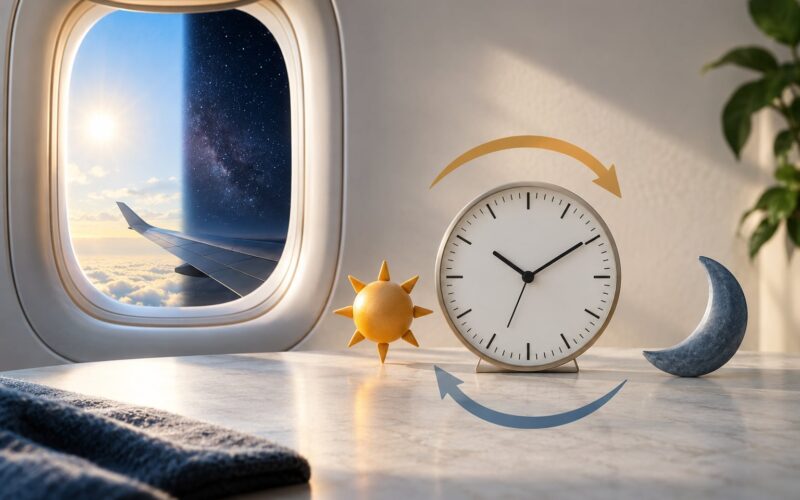
Caffeine can cut into your sleep hours later in the day, and it does it two ways: it can make it harder to fall asleep, and it can make the sleep you do get lighter and less restorative. Because caffeine has a half-life of roughly five to six hours in adults, a cup poured at 3pm is still working on your brain well past midnight. That is the whole story behind how caffeine affects sleep hours later, and almost all of it comes down to timing, dose and your own metabolism.
Table of Contents
- How Caffeine Affects Sleep Hours Later
- Why Caffeine Interferes With Sleep
- How Many Hours Can Caffeine Keep You Awake?
- When Does the Effect of Caffeine on Sleep Peak?
- What Changes How Long Caffeine Stays Active?
- Dose and habitual intake
- Genetics and metabolism
- Life events and health factors
- How Much Sleep Can One Late Coffee Disrupt?
- Where the caffeine actually hides
- How Can You Reduce Caffeine’s Impact on Sleep?
- A two-week tracking log that actually tells you something
- Does Caffeine Cause Deep Sleep Loss?
- Can You Catch Up on Sleep After Caffeine Disrupts It?
- When Should You Talk to a Doctor About Caffeine and Sleep?
- Frequently Asked Questions
- Can I drink coffee six hours before bed?
- How long should I wait after drinking coffee to sleep?
- Does decaf coffee still affect sleep?
- Can a short nap compensate for staying up late with caffeine?
- Does the body adapt to caffeine so it stops disrupting sleep?
- What should I do if caffeine seems to cause ongoing insomnia or anxiety?
- Conclusion: Start With Your Last Cup
How Caffeine Affects Sleep Hours Later
Caffeine can reduce sleep quality and push back your sleep for hours after you drink it, because it blocks the adenosine receptors that build up sleep pressure during the day. How long that lasts depends on the dose, when you had it, how fast your body clears it and how used to it you are. Most adults clear caffeine in about five to six hours, which is why an afternoon cup can still be working on you at midnight.
That is the core of how caffeine affects sleep hours later, and it explains a puzzle most regular coffee drinkers recognise: you fall asleep fine, sleep eight hours, and still wake up feeling like you skipped a night.
Why Caffeine Interferes With Sleep
Adenosine is the chemical that accumulates in your brain across the day. It is the reason you feel sleepy at all, and it is what researchers call sleep pressure. Every hour awake, a little more of it builds up, and the growing signal is what tips you into sleep at night.
Caffeine does not remove that buildup. It parks on the adenosine receptors and blocks the signal from being read, so the pressure is still there, just hidden. This is why caffeine masks tiredness rather than curing it. Once the caffeine clears and the receptors free up, the accumulated pressure comes flooding back, which is the “crash” people describe an hour or two after a double espresso.
Feeling sleepy and sleeping efficiently are two separate things, and caffeine interferes with both differently. It can suppress the feeling of sleepiness, and separately it can fragment the night and reduce slow-wave sleep once you are under. You can be tired enough to fall asleep within minutes and still wake up twice, or feel unrefreshed after eight hours.
That gap between “I slept fine” and “I feel rested” is where most of the damage hides. People who never check their sleep data assume their rest is fine, then blame aging, stress or a training plan for a fatigue that started the week they moved their afternoon coffee later.
How Many Hours Can Caffeine Keep You Awake?
Half-life is simply the time your body needs to clear half a dose. After one half-life, half the caffeine is gone. After two, half of what was left is gone. The part people miscalculate is the tail: a quarter of the original dose is still in your system after two half-lives, and a sixteenth is still there after four.
That is why a morning coffee can reach your evening. A 200mg serving with a five-and-a-half-hour half-life leaves about 100mg after six hours, 50mg after eleven, and 25mg after seventeen. You would not feel wired, but the dose is enough to shave minutes off deep sleep.
These are population averages, not a prediction of your night. Treat the table as a way to think about hours, not a promise about what will happen in your bedroom.
| Time since your last cup | Approximate caffeine remaining (200mg starting dose) | What it may do to sleep |
|---|---|---|
| 5 to 6 hours | About 100mg (half) | Falling asleep can feel harder; you may not notice |
| 10 to 11 hours | About 50mg (a quarter) | Less deep sleep, more movement during the night |
| 15 to 17 hours | About 25mg (an eighth) | Below the level most people notice, but not zero |
| 22 hours | About 12mg | Small residual effect for sensitive sleepers |
The honest answer to how many hours caffeine can keep you awake is longer than most people assume. A randomized crossover trial published in 2013 by Drake and colleagues found that 400mg of caffeine taken six hours before bed measurably reduced sleep. A later trial found disruption from doses taken as far out as 12 hours before bedtime, with the effect getting worse the closer the dose came to lights out.
When Does the Effect of Caffeine on Sleep Peak?
The worst sleep disruption usually shows up in the back half of the night, not right after you drink. Caffeine’s stimulant effect tends to arrive within 30 to 60 minutes, but the sleep cost is spread across the hours it lingers, and your deepest slow-wave sleep sits in the first half of the night with a good chunk of REM running toward morning.
That is why the tail of the night tells the story. A dose at 4pm is often past its obvious buzz by 6pm, yet it can still be quietly eroding the deep sleep that was doing the heavy lifting while you were out cold from 11pm to 2am.
So the stimulant peak and the sleep-damage peak are not the same moment. If you judge caffeine only by how alert you feel, you will always underestimate it.
What Changes How Long Caffeine Stays Active?
Dose and habitual intake
Dose sets the ceiling. Double the caffeine and you double the starting amount, though not exactly the hours of effect. Regular drinkers also clear caffeine faster, which is part of tolerance, and that faster clearance is usually paired with a dulled response to the alerting effect.
What tolerance does not reliably fix is the sleep side. Habitual coffee drinkers in lab studies still show measurable sleep disruption from caffeine close to bed, and the individual variation between people is wider than the average suggests.
Genetics and metabolism
Your liver handles caffeine through an enzyme called CYP1A2. Variants of the gene that codes for it make some people clear caffeine noticeably faster or slower than average, which is a large part of why a cutoff time that works for a friend does nothing for you.
Commercial genetic tests for caffeine metabolism exist, and the science behind them is real, but they are not needed to make progress. Two weeks of your own notes will tell you more about your response than a genotype you will never look at again.
Life events and health factors
Some shifts matter more than people expect. Hormonal contraceptives slow caffeine clearance, as does pregnancy, where caffeine also crosses the placenta. Smoking speeds clearance, and when someone quits, the same cup suddenly lingers far longer, which catches a lot of people off guard.
Aging tends to shift things too, and sleep debt changes how caffeine lands on you. Someone running on five hours feels the stimulant harder and crashes harder. Common medications, including some decongestants and antibiotics, interact with caffeine metabolism, and certain health conditions make people far more sensitive.
If you fall into one of these groups, or you have a diagnosed sleep condition, get personalized timing advice from your doctor or pharmacist rather than using a generic cutoff.
How Much Sleep Can One Late Coffee Disrupt?
A single cup rarely adds hours to your night. What it does is take quality out of the hours you have, and quality is what you feel the next day.
Run the numbers three ways for a 200mg cup with a five-and-a-half-hour half-life. Drink it at 7am and about 25mg is still around at midnight, which most people sleep through. Drink it at 2pm and roughly 50mg is active at 11pm, enough to reduce deep sleep. Drink it at 6pm and about 100mg is still in your system when you turn the light off, and falling asleep gets noticeably harder.
Three separate things can shift at once. Total sleep time can drop because sleep onset takes longer or you wake during the night. Sleep efficiency, the share of time in bed actually spent asleep, can fall even when the night is long enough on paper. And perceived rest can crater with neither of the other two moving much, which is the pattern that leaves someone convinced they slept fine.
Where the caffeine actually hides
People who think they have a caffeine problem usually underestimate the total, because the afternoon cup is rarely the whole load. Pre-workout powders and energy drinks are the biggest offenders, and they are easy to miss because they do not look like coffee. Dark chocolate, some sodas, tea, and a handful of over-the-counter cold and pain medicines add up quietly on top of it.
Approximate caffeine per serving, to give you a sense of scale:
| Source | Approximate caffeine per serving |
|---|---|
| Espresso | 60 to 80mg |
| Brewed filter coffee, 8oz | 80 to 100mg |
| Green or black tea, 8oz | 20 to 50mg |
| Decaf filter coffee, 8oz | 2 to 15mg |
| Dark chocolate, 1oz | 20 to 30mg |
| Energy drink, 16oz can | 150 to 250mg |
| Pre-workout powder, one scoop | 150 to 350mg |
How Can You Reduce Caffeine’s Impact on Sleep?
The mechanism is simple, which makes the tactics simple: get the last dose far enough ahead of bed, and keep the dose moderate.
Most people who drink caffeine regularly do best with a cutoff six to eight hours before their normal bedtime, and that gap grows if you are sensitive. Work backwards from the hour you want to be asleep, not from the hour you want your last coffee.
A few other moves pay off. Pick a consistent cutoff and keep it on weekends too, because the weekday version is not what shapes your night. Swap in lower-caffeine options as the day wears on, since a small tea in the late afternoon costs less than the espresso it replaces. Skip caffeine entirely when you are already sleep-deprived, because a stimulant on top of short sleep pushes the crash deeper into the day.
Expect a rough stretch when you cut back. Withdrawal headaches and grogginess are common for the first few days, and sleep can feel temporarily worse before it improves. People who stop abruptly from a heavy intake report feeling worse before feeling better, so a gradual reduction over a couple of weeks usually holds up better.
One thing worth being honest about: water, a hot shower and exercise do not clear caffeine. Plenty of people on sleep forums have tried them and describe no change in how wired they still feel.
A two-week tracking log that actually tells you something
Guessing rarely works, because you cannot feel residual caffeine in your system. You need to write it down. For fourteen days, log four things: time of last caffeine, rough amount, time you got into bed, and how you felt the next morning on a one to five scale.
Change one variable at a time. Hold your cutoff steady for a week, then move it two hours earlier and hold again. After two weeks you have a cutoff that is yours rather than one lifted from a list, and you will usually spot which sources were doing the most damage.
Shift workers should adapt the same method rather than a standard schedule. The useful question is how much time is between your last dose and the point where your head hits the pillow, whether that is 4pm or 3am.
Does Caffeine Cause Deep Sleep Loss?
Yes, and this is the part that quietly wrecks recovery. Caffeine tends to reduce slow-wave sleep, the deep stage tied to physical repair and memory processing, and it fragments the night by increasing wake after sleep onset, the brief awakenings you rarely remember.
The effect scales with dose and with proximity to bed, and it is not always obvious. Many people report sleeping a full eight hours and waking unrefreshed, which is exactly the pattern consistent with reduced deep sleep and no change in time in bed. One rough night proves nothing; a repeating pattern over weeks is what makes the case.
Can You Catch Up on Sleep After Caffeine Disrupts It?
Partly, and it comes with a cost. Recovery sleep is real, and a later night or a longer lie-in does restore some of the deficit. The problem is sleep inertia, the groggy stretch after waking, which tends to be worse and longer after a fragmented night than after a solid one.
So a long Sunday does not reliably hand you back a fully rested Monday. And caffeine pushed into the recovery night to fuel it simply sets up the next cycle.
A short nap is a better tool than a long lie-in if you need to function. Keep it early in the day and short, since long or late naps cut into sleep pressure and make the coming night harder.
When Should You Talk to a Doctor About Caffeine and Sleep?
See a doctor rather than adjusting caffeine yourself if insomnia persists for weeks, if you regularly need a drug or heavy drink to fall asleep, or if daytime sleepiness is interfering with work, driving or safety.
Get medical advice if you notice palpitations, chest pain, marked anxiety, shaking or a racing heart after your usual intake. Those are not things to work through with a cutoff experiment. Ask a pharmacist specifically about any medication you take and caffeine, since interactions are common and easy to miss.
Pregnancy deserves its own conversation with your provider, since caffeine limits apply and clearance changes. If you are pregnant and drinking coffee, that is a question for your doctor, not for an article.
Chest pain, severe breathlessness or any other acute symptom needs emergency services right away rather than a scheduled appointment.
Frequently Asked Questions
Can I drink coffee six hours before bed?
For most people, six hours is the minimum workable gap rather than a safe one. A cup at 1pm leaves roughly half its caffeine active at 11pm for an average half-life of five to six hours, and lab trials have measured worse deep sleep from doses taken six hours out. If you want a reliable night, work backwards eight hours from when you want to be asleep and test that for two weeks.
How long should I wait after drinking coffee to sleep?
A common rule is to wait at least six hours, and eight hours is safer for anyone who knows they are sensitive. That figure comes from the average half-life of five to six hours, not from a personal measurement of you. Shift workers apply the same gap between their last dose and lights out, even when that window crosses midnight.
Does decaf coffee still affect sleep?
Decaf is not caffeine-free. Most cups contain a small amount, commonly around 2 to 15mg, and some decaf blends run higher than others. At those levels the effect on most adults is minor, but sensitive sleepers and anyone drinking several cups can still notice lighter sleep. If decaf reliably costs you sleep, choose a brand that lists its caffeine content or switch to herbal tea after a certain hour.
Can a short nap compensate for staying up late with caffeine?
An early, short nap helps you function and does not fix the underlying disruption. Longer or later naps add to the problem because they cut into next night’s sleep pressure, and caffeine taken to push through the tiredness carries the effect into the following night. Naps work best kept short and well before bedtime, and they treat the symptom rather than the caffeine still in your system.
Does the body adapt to caffeine so it stops disrupting sleep?
Regular users clear caffeine faster and feel less of the alerting lift, but sleep disruption tends to persist. Trials in habitual coffee drinkers still measured worse sleep from caffeine taken close to bedtime, and faster clearance usually comes with a higher starting dose. Some people report sleeping better after cutting back, which makes a two-week trial a better answer than guessing at your own adaptation.
What should I do if caffeine seems to cause ongoing insomnia or anxiety?
Start by cutting back gradually and moving your cutoff earlier, then track sleep for two weeks to see whether anything changes. If insomnia lasts more than a few weeks, or if you notice palpitations, chest pain, shaking or racing heart, contact your doctor instead of adjusting caffeine on your own. A pharmacist can check for interactions between caffeine and any medication you take.
Conclusion: Start With Your Last Cup
The most useful thing you can do is find the time of your last caffeine of the day, then move it earlier, gradually. Track sleep for two weeks at that new cutoff and adjust from there rather than trusting a generic number.
Because how caffeine affects sleep hours later comes down to a simple clock, the fix is a simple one: count backwards from bedtime, not forwards from the cup. If sleep stays poor after a few weeks of that, talk to your doctor, since persistent insomnia or heart-related symptoms deserve professional attention.