To check for an open recall on your car, put your 17-digit VIN into the free lookup at nhtsa.gov/recalls. The whole thing takes about two minutes, needs no account, and tells you which campaigns are still outstanding on your specific vehicle rather than on the model year in general.
That distinction matters. Plenty of owners assume a clean car means a clean record, and plenty of people never get the recall letter because it went to a previous owner, an old address, or a vehicle they no longer have. Owners on r/MechanicAdvice give the same one-line answer to nearly every new question: type the VIN into the NHTSA tool.
Here is the full process, from finding the VIN to booking the repair that costs you nothing to have performed.
Table of Contents
- What You Need
- What Each Lookup Source Can and Cannot Tell You
- Step-by-Step: How to Check for an Open Recall on Your Car
- Find Your Car’s VIN
- Search the Official NHTSA Recall Database
- Check the Manufacturer’s Recall Website
- Review the Recall Details and Eligibility
- Contact the Manufacturer or a Qualified Repair Provider
- Common Mistakes
- Frequently Asked Questions
- Can you drive a car with an open recall?
- Are recall checks free?
- Will Carfax show recalls?
- The dealer says the recall is already completed. How do I verify that?
- What happens if my car is recalled and the defect cannot be repaired?
- Conclusion
What You Need
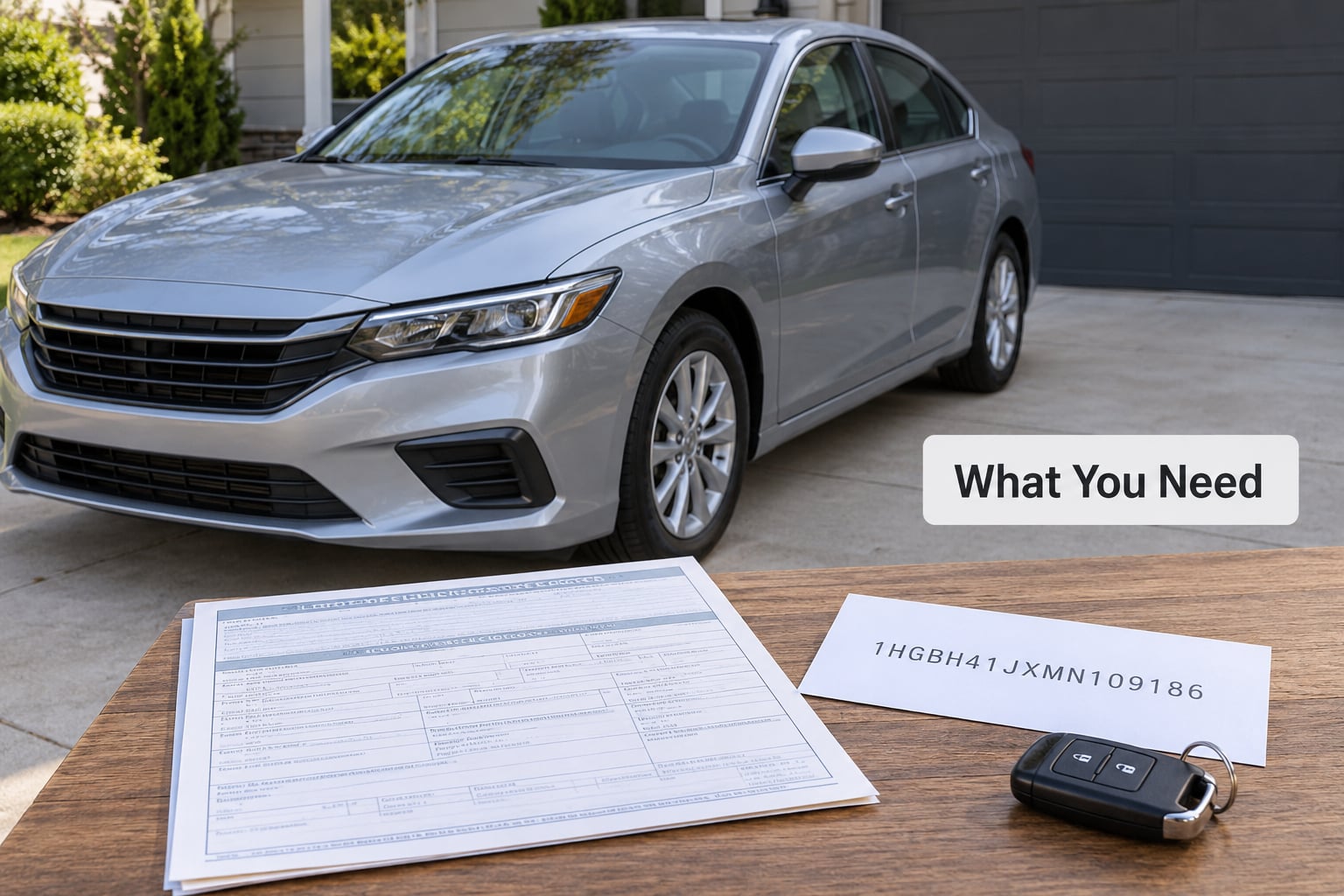
You need three things: your 17-character Vehicle Identification Number, a phone or computer with internet access, and the name of the vehicle’s manufacturer. That is genuinely all of it.
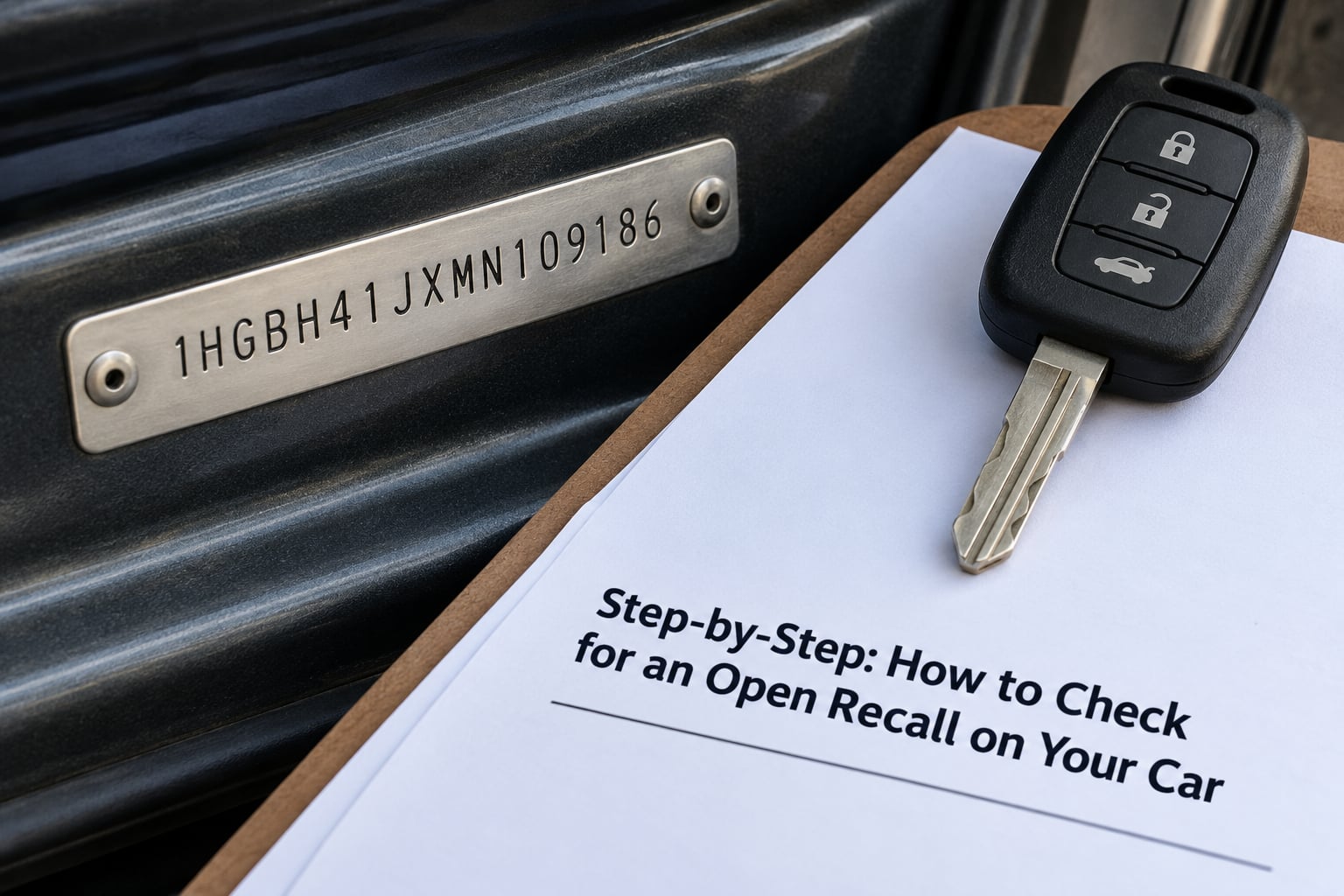
The VIN is a 17-character code stamped into the car, and it appears in more places than most people expect:
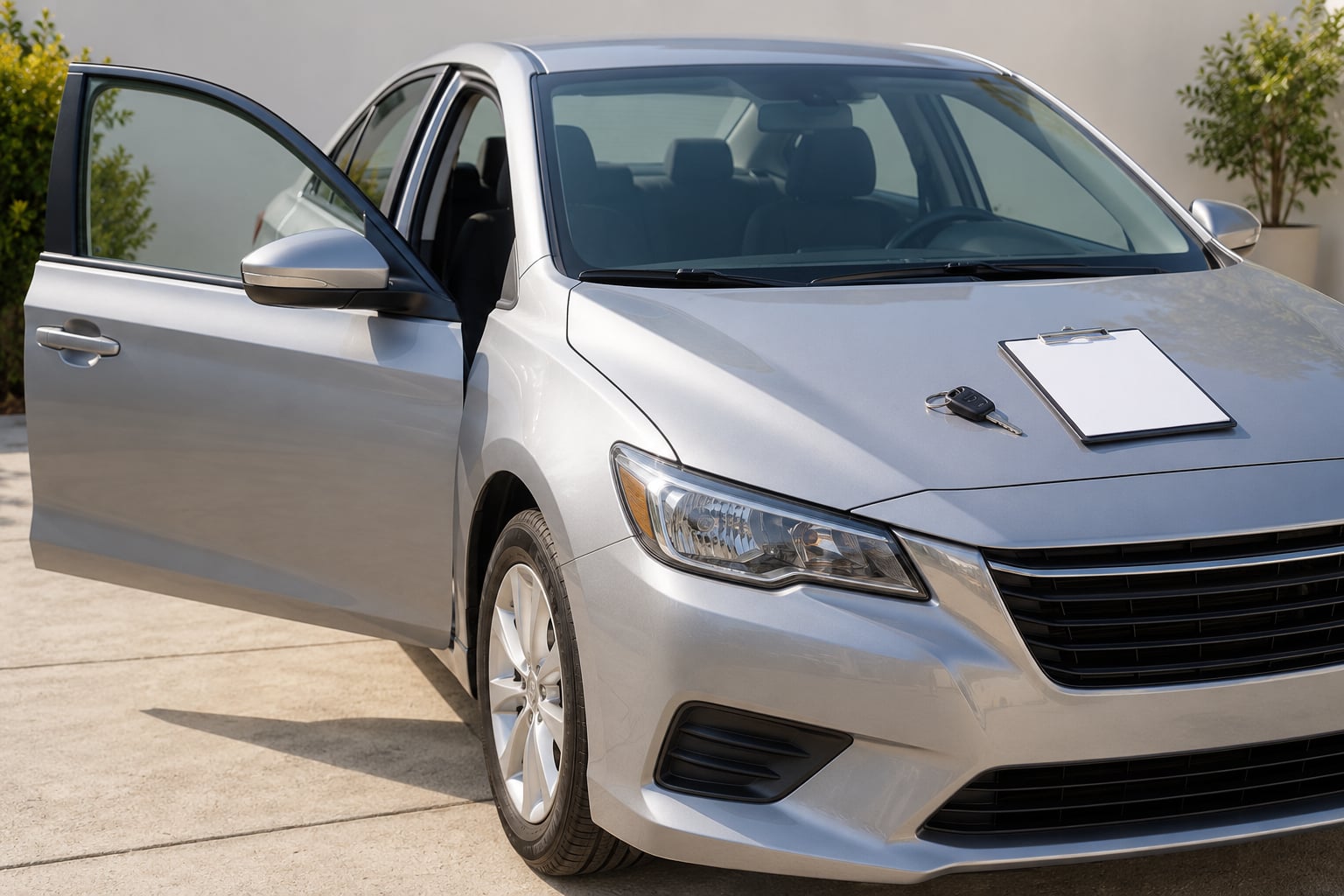
- On a metal plate on the driver’s side door jamb, visible with the door open
- On the lower left corner of the dashboard, readable through the windshield from outside
- On your registration or title document
- On your insurance card, which most drivers carry in the same folder
- In the “vehicle identification number” field of your owner’s manual and on the door jamb sticker in some markets
On modern cars the VIN often also shows up in the vehicle settings menu on the infotainment screen, or in a service app tied to your account with the manufacturer.
If you do not have documents handy, open the driver’s door and read the jamb plate. It is faster than digging through the glove box.
It helps to have your registration close by, because the dealer will ask for proof of ownership when you book the remedy. Manufacturers also send recall letters to the registered owner, so a current registration matters if you moved and never received anything.
What Each Lookup Source Can and Cannot Tell You
The free government database is the most authoritative single answer available to a private owner. Paid reports add context but do not replace it. Here is how the sources differ.
- NHTSA safety issues and recalls lookup. Free, no account needed. Shows every safety recall campaign covering your exact VIN, with component, defect, remedy and completion status. It covers safety recalls only, so it will not surface service bulletins or warranty coverage.
- Manufacturer recall page. Free. Lists campaigns for that brand, sometimes with regional parts and labor details the federal page omits, and it can point you to authorized dealers nearby. It requires knowing the make, and its records can lag behind the federal database.
- Dealer service department printout. Free. Shows what that dealer’s records contain, including campaigns closed at that location. It is a single source, so ask for the completion record in writing.
- Paid vehicle history report. A subscription or one-time fee. Shows a recall history line alongside accident and title history. It is built for valuation rather than safety, so it cannot show work still outstanding on your car right now.
- Child seat or tire recall check. Free. Covers recalls for a car seat or a tire, which the vehicle VIN search does not. It runs on a separate database from the vehicle one.
One note on paid reports: drivers on r/askcarsales regularly treat recall status as a negotiating point, and the free federal lookup is the piece of proof that actually holds up. A report can tell you a campaign was administered for that VIN. Only a dealer completion record or the dealer system tells you the work is finished.
Step-by-Step: How to Check for an Open Recall on Your Car
Find Your Car’s VIN
Read the VIN off the driver’s door jamb or the dashboard plate, then write down all 17 characters.
Compare the first eight or so characters against your registration and the VIN of the car in front of you before you type anything. Accidental transpositions are the single most common reason a lookup comes back empty, and a wrong VIN will happily search a different vehicle that has no recalls at all.
You will see it if you got it right: the results page repeats the year, make, model and trim for your car.
Search the Official NHTSA Recall Database
Go to nhtsa.gov/recalls, choose the VIN lookup option, and paste in the 17 characters.
The page also accepts a year, make and model search, which is useful when you are shopping several cars and do not have every VIN yet. Just know that a model-year search tells you what campaigns exist for that generation. It does not tell you which ones are done on the individual car.
Federal databases track safety recalls, which is a narrower category than everything people lump in with it. A technical service bulletin is a manufacturer communication to dealers about a known issue that does not meet the safety-defect threshold, so it never appears in a recall search. A complaint is a report you or another owner filed with NHTSA, and complaints sit in a separate system. If you see a long list of “issues” somewhere and none of them show a campaign number, you are probably reading complaints or bulletins, not recalls.
Check the Manufacturer’s Recall Website
Repeat the search on your own make’s official recall page, because it sometimes shows campaigns before or alongside the federal record, and it tells you which authorized dealers are in your area.
Search the brand name plus “recall lookup” and use the manufacturer’s own domain. If your brand has a dedicated recall section, that page is also the fastest route to a dealer appointment, and for some brands it lists campaign details, expected parts availability and local dealer contact details that the federal page does not.
If the two sources disagree, believe the manufacturer for scheduling and the federal record for whether a campaign exists at all. And if a dealer insists a campaign is already closed, get the completion record for your VIN in writing rather than taking the claim on trust.
Review the Recall Details and Eligibility
Read each result carefully, because the fields tell you whether you can wait and what happens next.
Here is what you are looking at:
- Campaign number. The alphanumeric identifier for the campaign, such as the numbered sequence NHTSA lists for a specific defect. Quote this to the dealer.
- Component and system affected. The part or system the fix touches, which is how you confirm the result belongs to your car rather than a similar model.
- Summary of the defect. A plain description of what fails and under what conditions.
- Remedy. What the manufacturer will do: repair the part, replace it, or in some cases refund you.
- Completion status. Whether the work is still outstanding on your vehicle.
- Production dates. The build range affected, which is how you confirm your vehicle falls inside it.
Two phrases change how you should behave. A “do not drive” or “park outside” instruction means take it seriously: park the vehicle somewhere safe and arrange transport until it is fixed. A “contingency remedy” means the manufacturer has acknowledged a fix may not be available yet and has approved a temporary measure, such as a replacement part or a different procedure, until the real part arrives.
If the results page shows no open campaigns, that is a real answer and not an error. Write down the date you checked, because you will want it when you buy the car or register it in a new state.
Contact the Manufacturer or a Qualified Repair Provider
Call an authorized dealer for the brand, give them your VIN, and ask them to close out the open campaign.
You are not paying for the repair. Recall remedies are provided at no cost to the owner, including the parts, the labor and usually the diagnostic time. What you might absorb is a rental car or a tow if there is no authorized dealer within a reasonable distance of you.
Have these ready when you call, because they make the difference between a vague answer and a booked appointment:
- Your VIN and the campaign numbers from the lookup
- Whether the parts are available at that location, and how long the repair takes
- Whether they offer a loaner or rental vehicle while the car is in the shop
- Whether the work has already been performed and, if so, a completion record for your VIN
- Whether there is any charge at all, and if a charge is proposed, why
A useful sentence: “I want the open campaign on this VIN closed out, and I need the completion record in writing when it’s done.” Owners report dealers discovering recalls independently and calling owners in, which surprises plenty of people who assumed that no letter meant no campaign.
Two situations need extra care. If you bought the vehicle used, the recall may have been completed by a previous owner, or the paperwork may have gone with them. And if you have no authorized dealer nearby, ask the manufacturer customer service directly, since they can often authorize reimbursement for towing to the nearest center.
Common Mistakes
Searching by the wrong model year is the most frequent error, and the fix is simple: search by VIN every time, and if you must search by year, make and model, confirm the build date range covers your car.
Using a lookalike site or a paid report as your only source is the second. Search engines and social feeds carry recall-themed texts and clone websites that ask for your VIN plus a payment. The check is free, run by a government agency, and never asks for card details. Delete the message.
Trusting a dealer’s word that the recall is already done is the third, and it is the complaint that comes up most often in owner forums. The repair may genuinely have been done, but there is no record you can point to. Ask for the completion documentation for your VIN, and check your vehicle history report for a recall administration line. Without that, treat the campaign as still open.
Assuming no recall letter means no open recall is the fourth. Letters go to the registered owner, so a used car, a moved address or a title transfer can swallow one. Owners have been called in for campaigns they never knew about, and the VIN lookup is the only dependable check.
Confusing a service bulletin or a complaint with a recall is the fifth. A bulletin means a known issue exists that the manufacturer does not consider a safety defect. A complaint is an owner report. Neither is a recall, and neither is repaired for free under a campaign.
Delaying a safety remedy is the sixth, and the most expensive. A “do not drive” notice is not a formality, and driving a vehicle with a known unrepaired safety defect can complicate both your insurance position and any accident claim. Book the appointment the day the campaign is confirmed.
One more worth knowing: a recall can be open for a long time. Campaigns are not automatically closed after a set period, and a defect that goes unfixed year after year is the pattern behind a large share of the vehicles on the road that still carry unrepaired safety recalls.
Frequently Asked Questions
Can you drive a car with an open recall?
Usually yes, but not always. Most recall campaigns are defect corrections that do not make a vehicle illegal to drive, so you can keep using it until the appointment. If the notice carries a do not drive or park outside instruction, treat it as mandatory: park the vehicle somewhere safe and arrange transport. Driving anyway can complicate an insurance claim if you are later in a crash involving the affected system.
Are recall checks free?
Yes. The official recall lookup at nhtsa.gov/recalls is free, needs no account, and returns every safety recall campaign covering your VIN. Manufacturer recall pages are free as well, and an authorized dealer will run the check and perform the remedy at no cost to you. Paid vehicle history reports charge for a broader history file, not for the recall data, so the free tool answers the recall question on its own.
Will Carfax show recalls?
A paid vehicle history report generally includes recall history, showing whether a campaign was administered for that vehicle. What it does not reliably show is whether an unrelated open campaign is still outstanding right now on the car you are buying or driving. For live recall status, use the free VIN lookup at nhtsa.gov/recalls, and ask an authorized dealer for the completion record on your specific VIN.
The dealer says the recall is already completed. How do I verify that?
Ask the dealer for the completion record tied to your VIN, including the campaign number and the date the work was performed. A VIN that recently changed hands may show a completed campaign for the previous owner, which is easy to miss. If the dealer cannot produce documentation, treat the campaign as still open and ask them to inspect the vehicle and close it out if the work was never done.
What happens if my car is recalled and the defect cannot be repaired?
Remedies are usually repair, replace or refund, and the manufacturer pays for the authorized remedy. When a fix is genuinely unavailable, a contingency remedy may be approved, such as a temporary part or an adjusted procedure. If repeated attempts fail to correct a defect, state lemon law may apply, but those rules vary by state and are a legal matter, so talk to a consumer attorney rather than relying on a general summary.
Conclusion
Start with the VIN on the driver’s door jamb, then run it through nhtsa.gov/recalls. It is free, it needs no account, and it is the only check that reports open campaigns against your exact vehicle.
If a campaign comes back, note the campaign number and component, cross-check the manufacturer’s own recall page, and call an authorized dealer to close it out. The remedy costs you nothing, so the only real decision is how soon you want it done.